Manual sorting platform
Release time:26-03-27
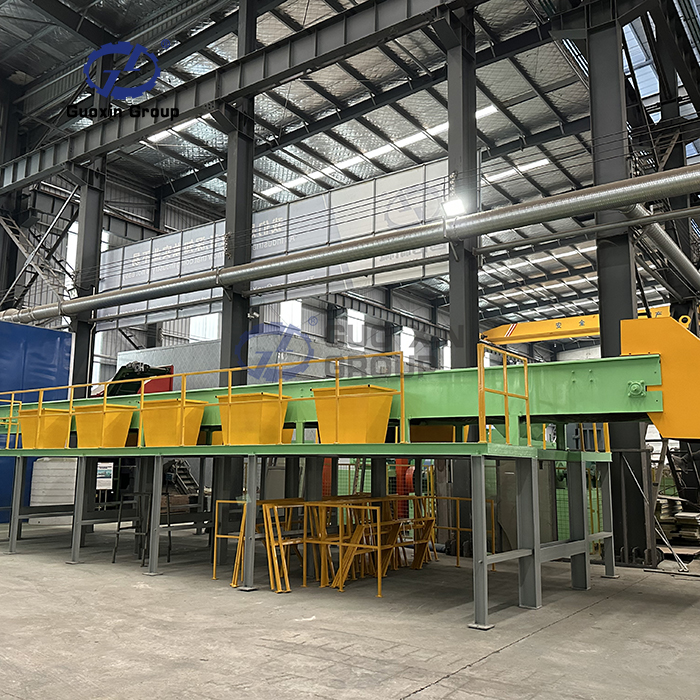
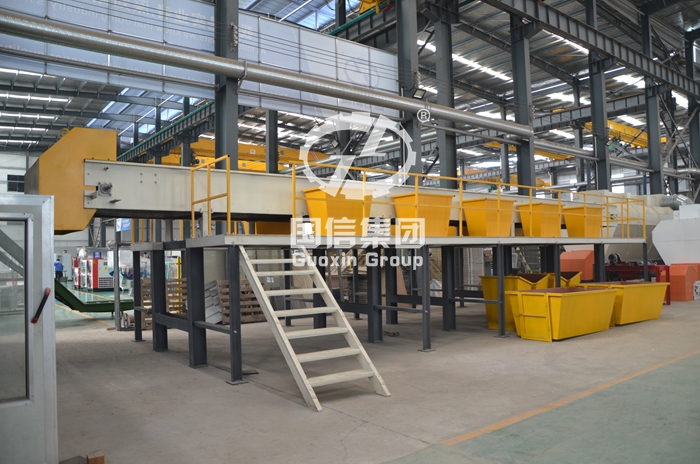
Manual Sorting Platform is a workstation used in waste management and recycling facilities, where workers manually sort and segregate various types of waste materials. These platforms are typically designed to provide a structured, ergonomic, and efficient environment for workers to perform sorting tasks in processes like waste segregation, recycling, or construction debris removal. They are often used in combination with other sorting equipment like conveyor belts, shredders, and separators to help with the effective separation of recyclable materials from non-recyclables.
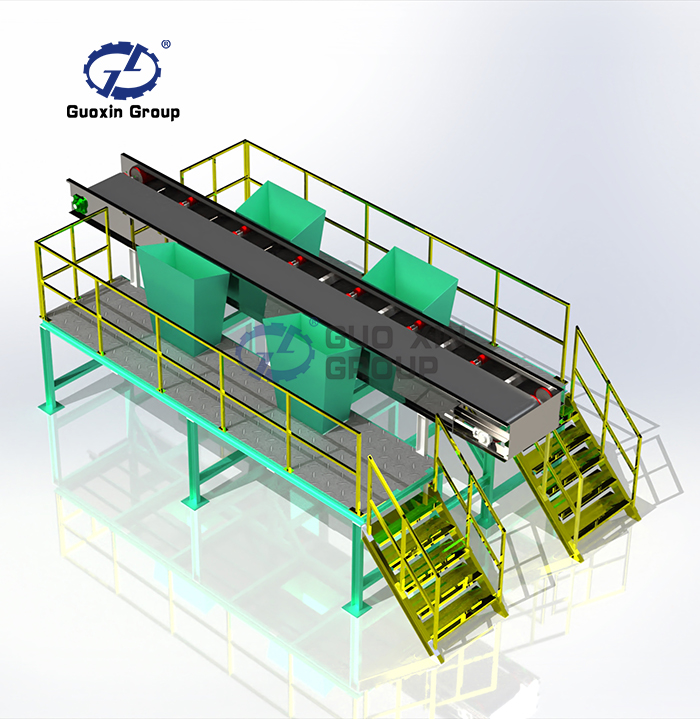
Features and Design
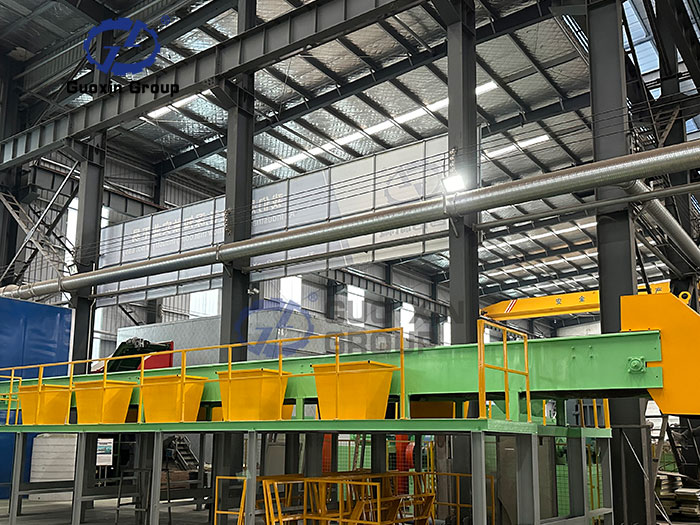
1. Ergonomic Layout: The platform is designed to provide a comfortable working height for workers, reducing physical strain. Adjustable conveyor speeds and heights ensure workers can sort materials efficiently without undue fatigue.
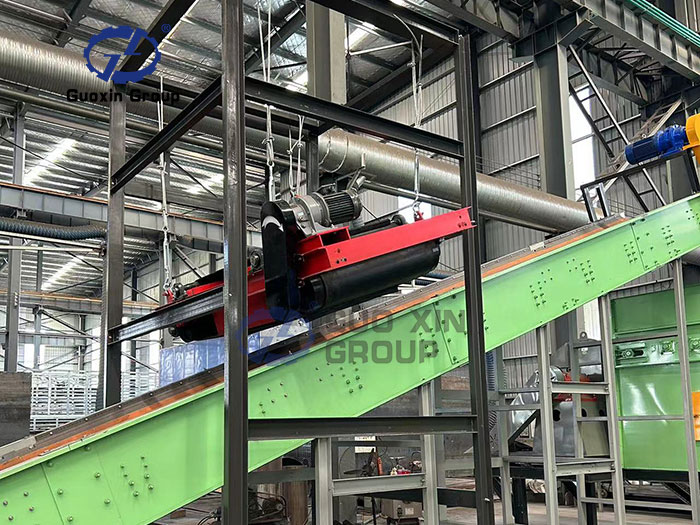
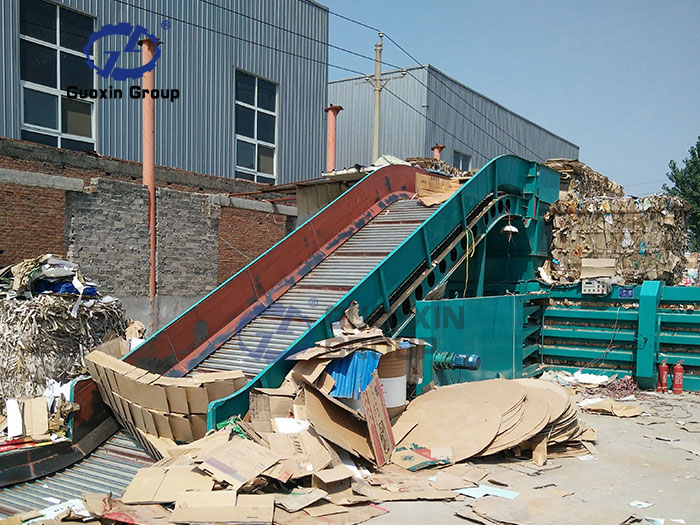
2. Conveyor Belt Integration: The platform often incorporates a conveyor belt that carries mixed waste to the sorting area, where workers can pick out recyclables (such as metals, plastics, and paper) or separate contaminants and hazardous materials.
3. Safety Features: Equipped with safety rails, emergency stop buttons, and non-slip surfaces, manual sorting platforms are designed with worker safety in mind. Proper lighting and ventilation ensure a safe working environment.
4. Material Sorting Stations: The platform is equipped with designated bins or chutes for different types of materials—plastics, metals, glass, paper, and organic waste. These sorting stations help workers organize materials quickly and effectively.
5. Adjustable Working Space: Some manual sorting platforms come with adjustable components such as height and angle to accommodate different sorting tasks, depending on the type of waste being processed.
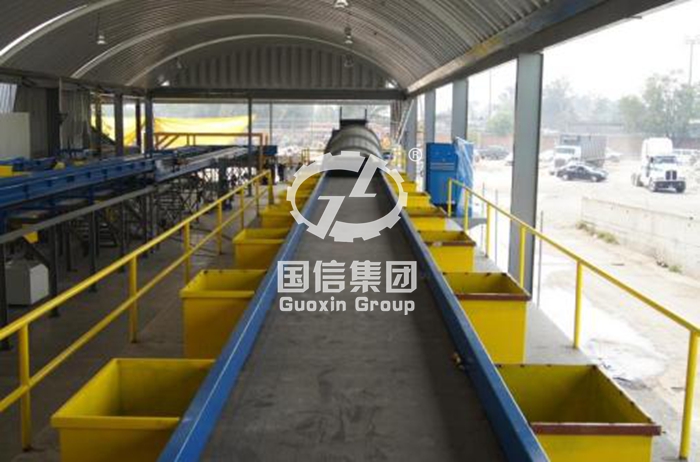
Working Process
1. Incoming Waste: Mixed waste is transported to the platform via a conveyor belt or other feeding system. The waste can include household waste, recyclables, industrial scrap, or construction debris.
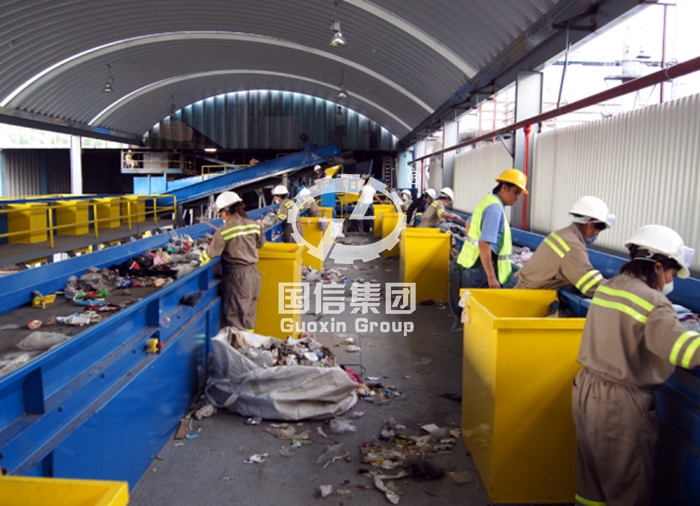
2. Manual Sorting: Workers stand on the platform and manually sort the waste into different categories. They pick up and separate materials like plastics, metals, papers, and non-recyclable items, placing them into designated containers or bins.
3. Material Removal: After the sorting process, the sorted materials are removed from the platform. Recyclables are sent to the appropriate processing or recycling stations, while non-recyclables or hazardous waste are discarded or sent for further treatment.
4. Continuous Operation: The manual sorting platform can operate continuously with multiple shifts of workers, depending on the volume of material being processed.
Advantages
1. Cost-Effective: Manual sorting platforms are a low-cost solution for waste processing, especially when compared to fully automated sorting systems. They provide a simple and direct way to separate recyclable materials from waste.
2. Flexibility: Workers can quickly adapt to sorting different types of waste without requiring significant changes to the equipment. The manual process also allows for more precise sorting in cases where automation may struggle (e.g., mixed or contaminated waste).
3.Increased Sorting Accuracy: By using human judgment, manual sorting platforms can help identify specific materials that may be missed by automated systems, improving overall recycling rates.
4. Sustainability: These platforms promote sustainability by enabling more efficient recycling, reducing landfill waste, and lowering environmental impact.
5. Worker Empowerment: Workers can take pride in ensuring that recyclable materials are correctly segregated and that the waste is handled appropriately, contributing to a cleaner and more sustainable environment.
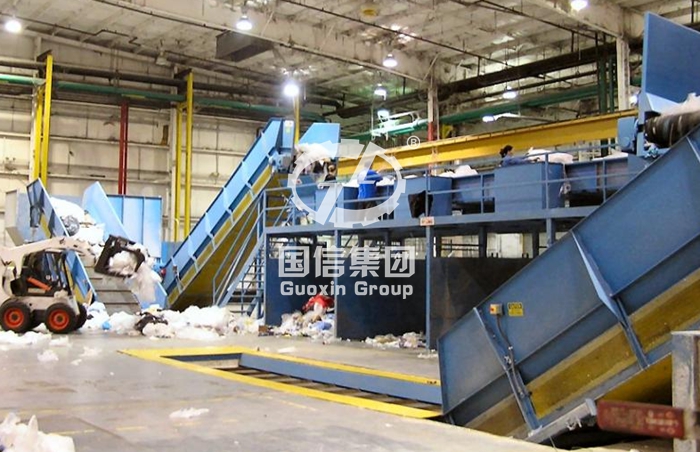
Applications
– Recycling Facilitie*: In sorting plants where recyclables such as plastics, metals, and paper are manually segregated.
– Municipal Waste Collection: For handling and sorting residential and commercial waste, particularly in areas where advanced automated sorting systems are not feasible.
– Construction and Demolition (C&D) Debris: For the manual separation of recyclable materials from construction and demolition waste like wood, concrete, metals, and glass.
– Hazardous Waste Handling: In environments where workers manually sort hazardous or toxic materials from general waste for proper disposal.
Conclusion
The Manual Sorting Platform is a versatile and vital piece of equipment in waste management and recycling operations. While less automated than high-tech systems, it plays a crucial role in improving sorting accuracy, increasing recycling rates, and providing an ergonomic workspace for workers. Its simplicity, flexibility, and cost-effectiveness make it an ideal solution for facilities aiming to maximize material recovery while maintaining high-quality standards.
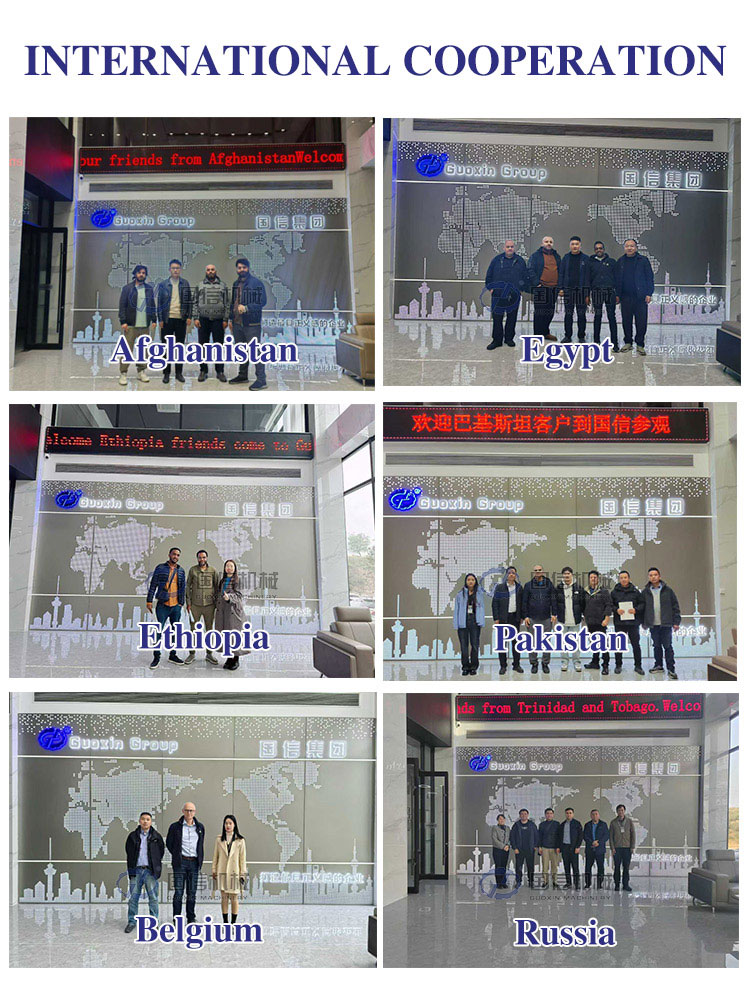
We have established business factories in more than 10 countries and regions around the world, and our waste Manual sorting platform has been widely praised by customers for its high performance. guoxin has been involved in the waste sorting and processing industry for more than 20 years, and has established a well-trained, skilled, and dedicated R&D team to provide customers with stable and energy-saving solid waste Manual sorting platform, household waste Manual sorting platform, Artificial Sorting Platform No matter your application is industrial waste, solid waste, Landfill waste, etc., we can provide you with the most suitable solution for garbage sorters, including installation, adjustment and maintenance, making us the perfect partner





 Tel:0086 17596531123