household waste sorting case site
Release time:26-03-27
MSW waste sorting line case
Taiwan has always been at the forefront of the world in terms of waste treatment and resource recycling, especially in the sorting and recycling of domestic waste. Taiwan’s waste sorting production line is mainly used to treat household and urban domestic waste. After sorting, recycling, compression, processing and other steps, it improves the resource recovery rate and reduces the pressure of landfill and incineration. Taiwan’s domestic waste sorting production line is usually equipped with advanced sorting equipment and technology, and is committed to achieving waste reduction, resource utilization and harmlessness.
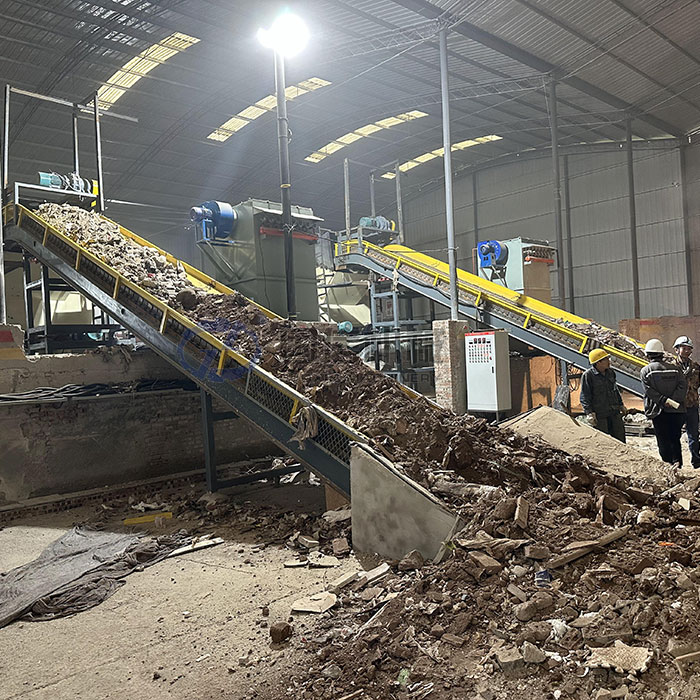
Main features of Taiwan’s domestic waste sorting production line:
1. Full automation and intelligence: Taiwan’s waste sorting production line is increasingly moving towards full automation and intelligence, using advanced automation equipment to reduce manual intervention and improve processing efficiency and accuracy.
2. Efficient classification and resource utilization: The goal of the sorting production line is to maximize the recovery of available resources (such as paper, plastic, metal, glass, etc.) and dispose of non-recyclable garbage. Through sorting, the amount of garbage entering landfills and incinerators is reduced, thereby extending the service life of landfills and reducing harmful substances produced by incineration.
3. Strict garbage classification management: Taiwan’s garbage classification is very strict. Domestic garbage usually needs to be classified at the source (such as hazardous waste, recyclables, kitchen waste, etc.), and the sorting production line is responsible for further refinement and recycling.
4. Advanced environmental protection technology: The garbage sorting production line is equipped with environmental protection equipment, which can effectively treat harmful gases generated during garbage incineration or landfill to ensure compliance with environmental protection regulations and standards.
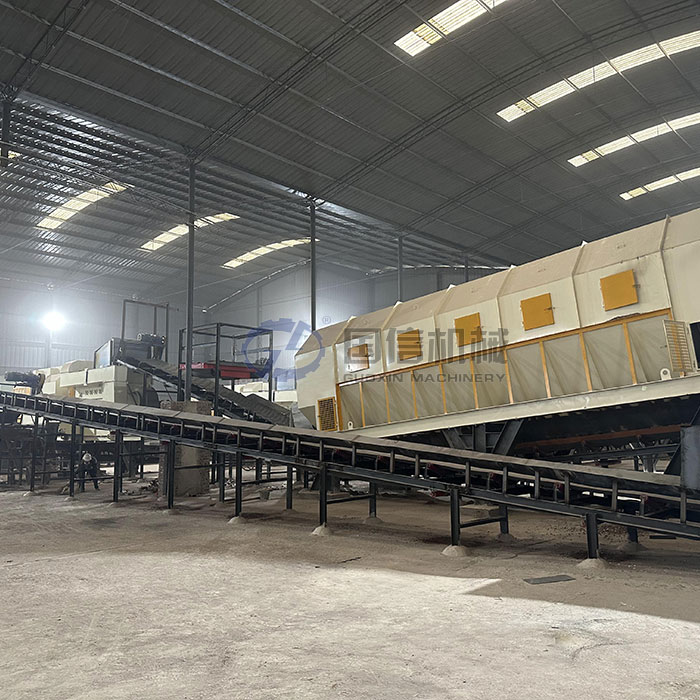
The main components of Taiwan’s domestic garbage sorting production line:
1. Garbage collection and transportation system:
– After the garbage is collected from various communities or households, it is transported to the garbage treatment plant by dedicated garbage transport vehicles. The design of the transportation system needs to ensure efficient transportation of garbage and minimize secondary pollution.
2. Preliminary screening system:
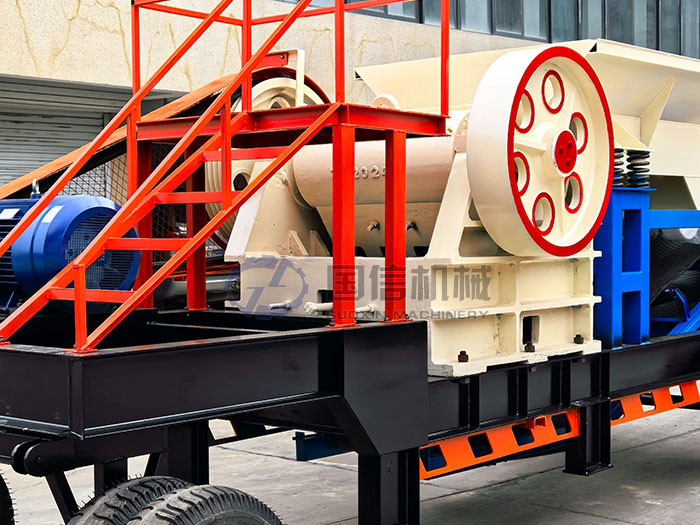
– After the garbage enters the sorting production line, it is first screened to separate large pieces of garbage (such as furniture, waste electrical appliances, etc.), which usually need to be handled separately.
– Screening equipment (such as vibrating screens, drum screens) is used to perform preliminary classification according to the size of the garbage, separating larger garbage from smaller garbage.
3. Manual sorting and automated sorting systems:
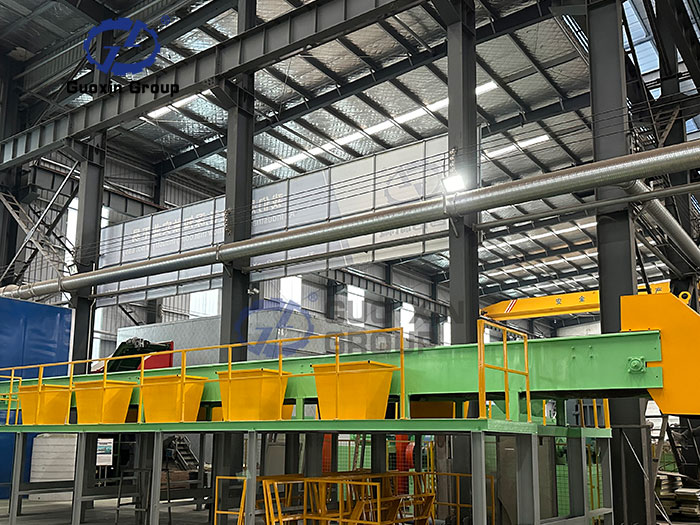
– Manual sorting table: Manual operation can sort out some small recyclables that are difficult to sort by machine, such as plastic bags, glass bottles, etc.
– Automated sorting equipment: Including technologies such as photoelectric sensors, magnetic separation devices, and wind sorting for precise classification:
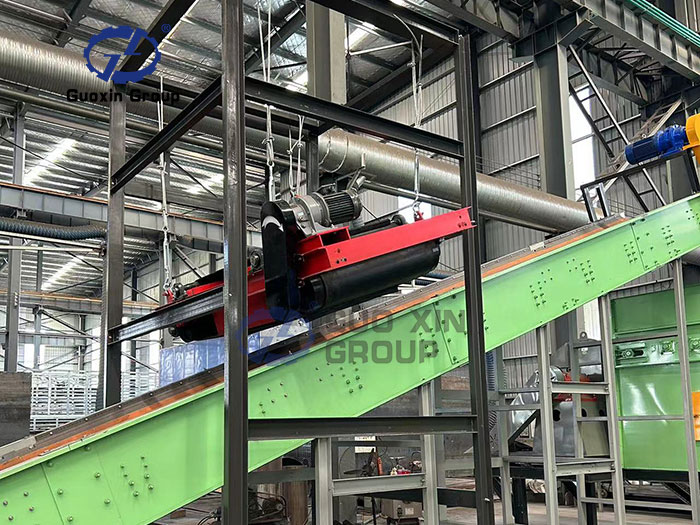
– Magnetic separation equipment: used to separate recyclable metal materials (such as iron, steel, etc.).
– Wind sorting equipment: Use air flow to separate light materials (such as plastics, paper) from heavy materials (such as glass, ceramics).
4. Compression and packaging system:
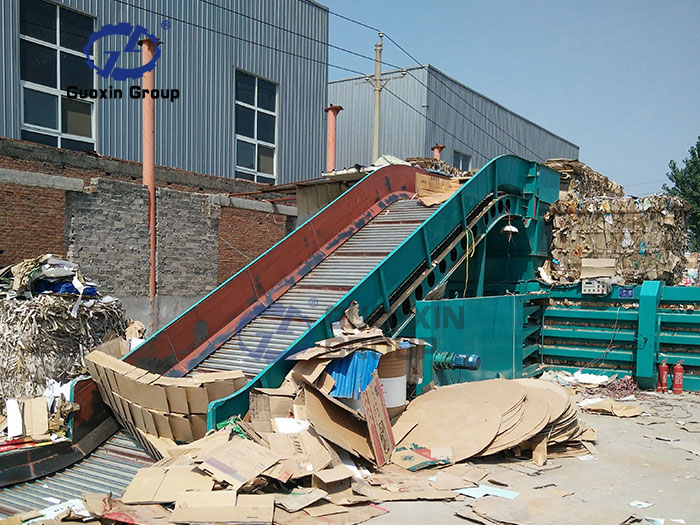
– Compress and package the sorted recyclables for easy storage and transportation. The packaged items (such as cartons, scrap metal, plastic bottles, etc.) can be sent to recycling plants or recycling companies through recycling channels.
– The compression system includes hydraulic balers, roller presses and other equipment.
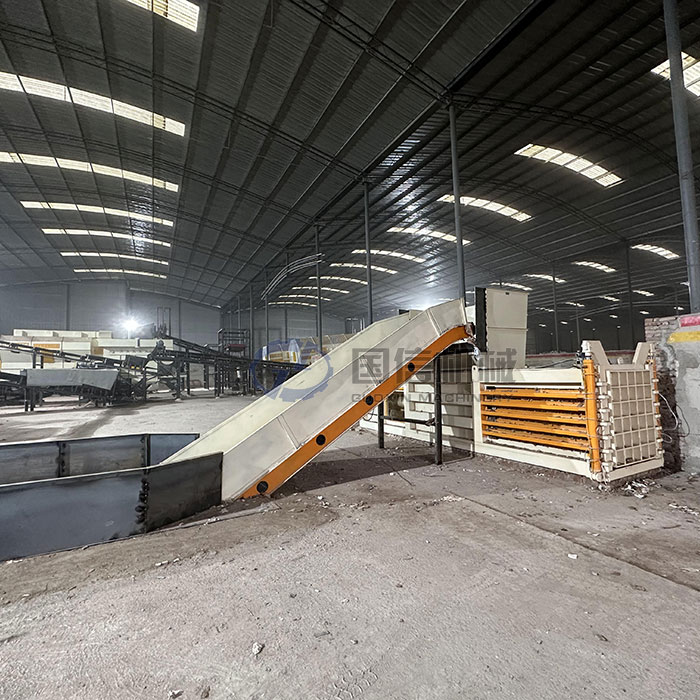
Advantages of Taiwan’s production line:
1. High recycling rate: Through refined classification and advanced automation equipment, Taiwan’s garbage sorting production line can efficiently recycle recyclable resources, especially common recyclables such as paper, plastic, and metal.
2. Environmental benefits: Strict waste gas treatment and hazardous substance management ensure that the waste treatment process will not cause excessive burden on the environment. Reduce the negative impact of waste incineration and landfill.
3. Reduce the amount of landfill: Through effective garbage sorting and recycling, the amount of garbage entering the landfill is reduced, and the service life of the landfill is extended.
4. Harmless treatment: Hazardous substances in waste can be safely disposed of after special treatment, thereby reducing the risk to the environment and public health.
5. Energy saving and emission reduction: Some recycled garbage is reprocessed into new products, reducing dependence on raw materials, and reducing energy consumption and pollution emissions in the production process.
In general, the development of Taiwan’s domestic waste sorting production line will continue to rely on advanced technology, intelligent equipment and environmental protection policies to promote more efficient garbage treatment and resource recycling, further reduce environmental pollution, and achieve the goal of sustainable development. If you have more specific needs or want to know the details of a certain link, you can always ask questions!





 Tel:0086 17596531123