Indonesian waste sorting customer sites
Release time:26-03-27
Indonesian waste sorting customer sites
Waste sorting line usually involve the application of waste sorting, recycling and processing equipment. In recent years, Indonesia’s waste management system has gradually introduced more advanced and environmentally friendly technologies to cope with the growing waste problem and resource recovery needs. In this context, the waste sorting system has played an important role in Indonesia’s waste treatment process, especially in waste management in cities and industrial areas.
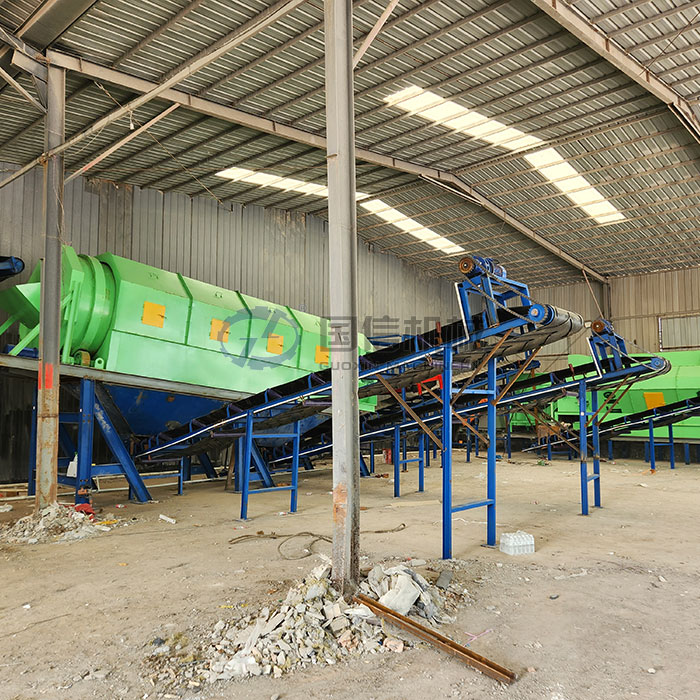
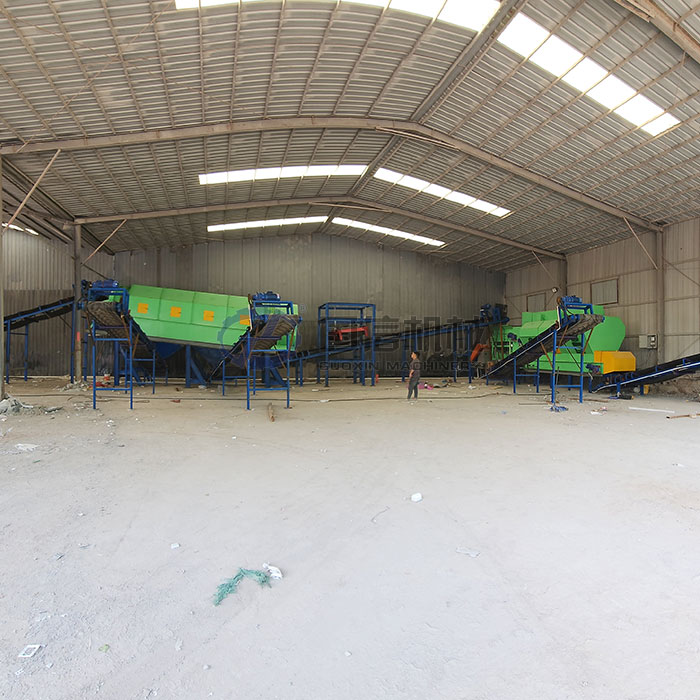
Characteristics of Indonesian waste sorting customer sites:
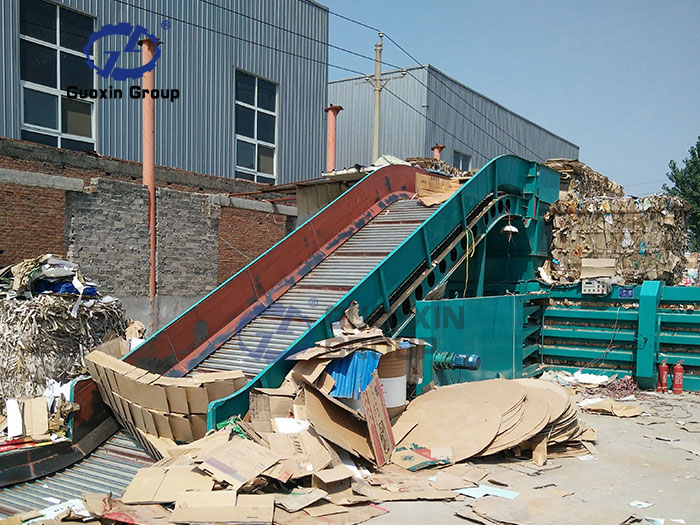
1. Diverse types of waste: Indonesia has a wide variety of waste, including plastics, paper, metals, etc. Due to the lack of a popular waste sorting system, a lot of waste is not sorted when it is discarded, so there is a great demand for waste sorting systems.
2. Environmental awareness is gradually improving: With the increasing severity of environmental problems, the Indonesian government and citizens have gradually increased their attention to waste sorting, reduction and resource utilization. In some large cities (such as Jakarta, Surabaya, Bandung, etc.), some areas have begun to implement waste sorting and recycling systems.
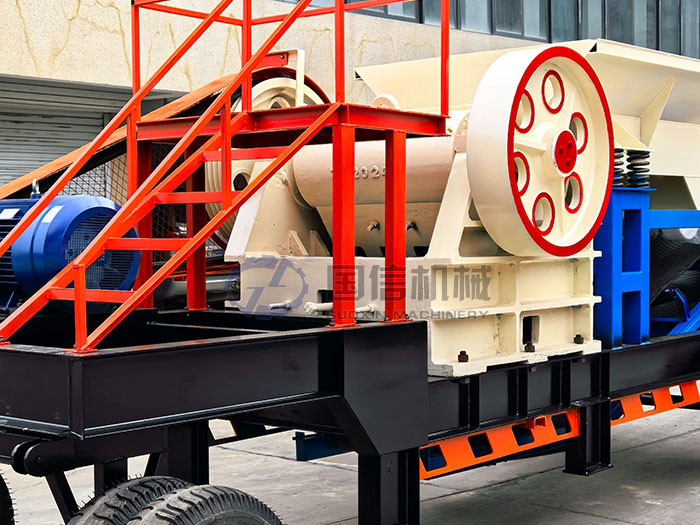
3. Technology application and equipment: In order to improve the efficiency and recycling rate of garbage sorting, some garbage treatment plants and recycling centers in Indonesia have introduced automated garbage sorting equipment, including:
– Screening equipment: Preliminary separation of garbage according to size and removal of large pieces of garbage.
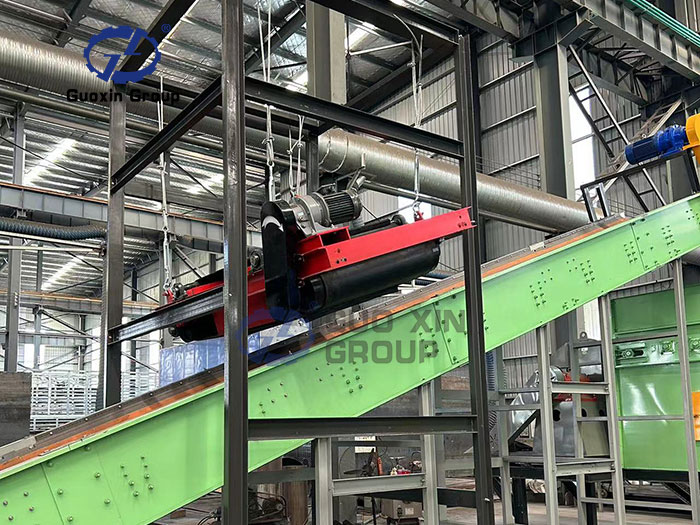
– Magnetic separation equipment: Used to separate recyclable metal materials from garbage.
– Wind separation equipment: Use airflow to separate light materials (such as plastics and paper) from heavy materials (such as glass and ceramics).
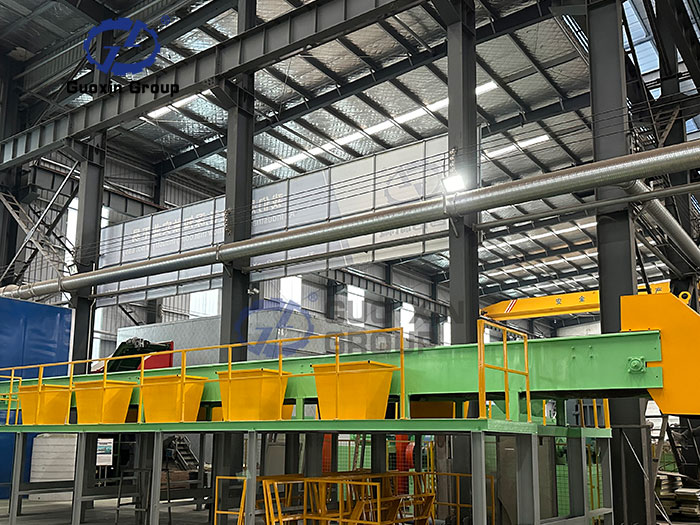
– Manual sorting table: Manually assist in sorting recyclables in garbage, especially when automated equipment cannot fully handle it.
4. Cooperation between local governments and private companies: Indonesia’s garbage treatment system is usually jointly managed by local governments and private companies. Local governments provide policy support and funds, while private companies provide equipment, technology and management services. Through this cooperation model, Indonesia can gradually promote garbage sorting and resource utilization.
5. On-site management and training: The use of garbage sorting equipment requires not only the support of hardware facilities, but also the training of on-site staff to ensure the efficient operation of the equipment. On-site management usually includes equipment maintenance, optimization of waste treatment processes, and staff operating specifications.
In Indonesia, with the improvement of waste management and environmental awareness, the demand for waste sorting equipment is expected to continue to grow. It is hoped that in the future, through technological progress and policy support, the waste sorting rate can be effectively improved, the recycling of resources can be promoted, and the negative impact on the environment can be reduced.




 Tel:0086 17596531123